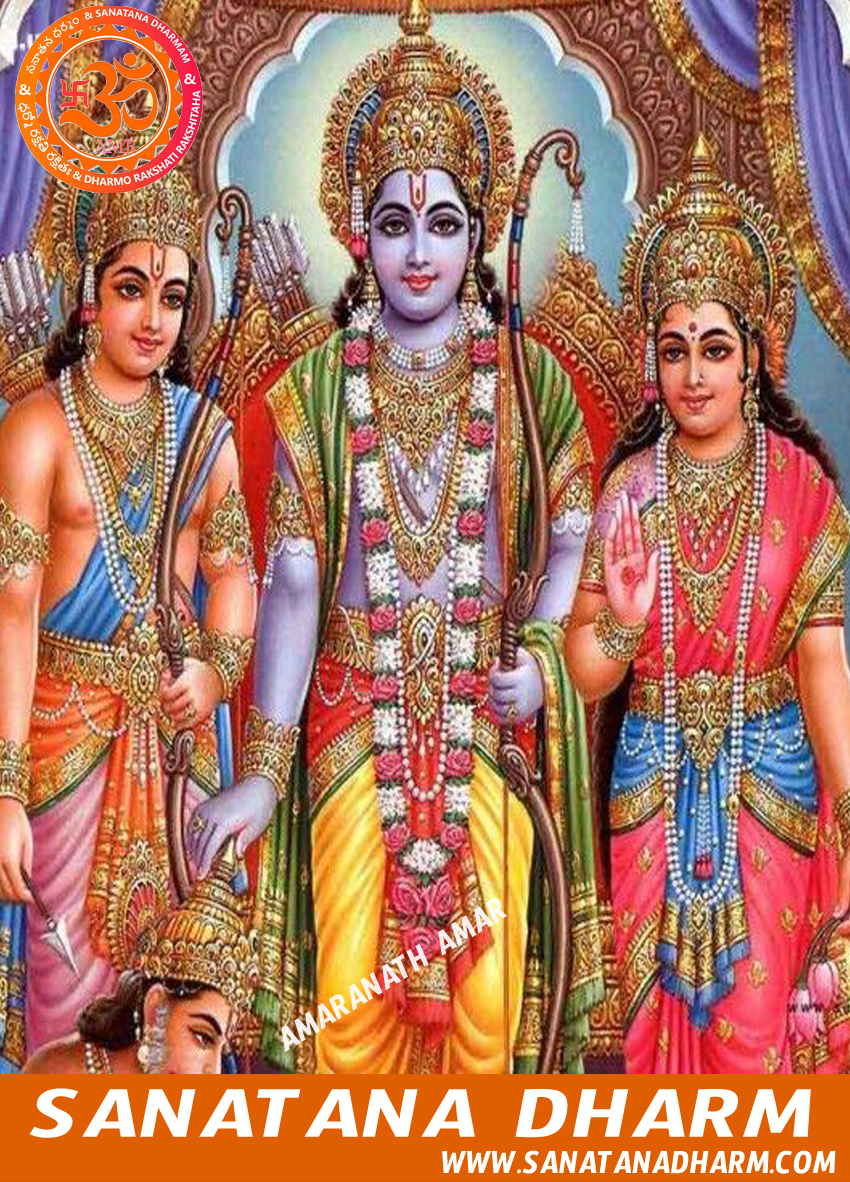
While those lions among men amidst a host of friends were lamenting, that night elapsed with a much difficulty.
तब उन सिंह-जैसे शूरवीरों के मित्रों ने, दुखी होकर, उसी प्रकार रात बिताई।
When the beautiful dawn broke, Rama's brothers along with their companions, having made their offerings and recited their prayers on the banks of River Madakini, approached Rama.
रात के सुंदर प्रभात में, तुम्हारे भाइयों ने अपने मित्रों के साथ मिलकर, मंदाकिनी नदी में स्नान और जप करके भगवान राम के पास आए।
Ayodhya Kanda – Sarga 105 · v3
तूष्णीम् ते समुपासीना न कश्चित् किंचिद् अब्रवीत् |
भरतः तु सुहृन् मध्ये राम वचनम् अब्रवीत् || २-१०५-३
Sitting in silence, no one uttered a word. Bharata, on his part, amidst his companions, addressed Rama as follows:
भरत के मित्रगण चुपचाप बैठे थे और किसी ने कुछ नहीं कहा। तब भरत ने अपने मित्रों के बीच राम से यह बात कही।
"My mother has been consoled (by you) by giving this kingdom to me. I am giving back that kingdom to you. Enjoy it without hindrance!"
मेरी माँ, जिसने मुझे सांत्वना दी, उसने मुझे यह राज्य दिया है। मैं इसे तुम्हें ही देता हूँ, तुम बिना किसी बाधा के राज्य का उपभोग करो।
Ayodhya Kanda – Sarga 105 · v5
महता इव अम्बु वेगेन भिन्नः सेतुर् जल आगमे |
दुरावारम् त्वद् अन्येन राज्य खण्डम् इदम् महत् || २-१०५-५
"As a dam breached by a great on-rush of water during a rainy season cannot be repaired so easily, this great continent cannot be defended by any one other than you."
यहाँ संस्कृत श्लोक का सरल हिंदी अनुवाद दिया गया है: जैसे विशाल जल के वेग से टूटा हुआ बाँध, उसी प्रकार तुम्हारे सिवा किसी और से रोका न जा सकने वाला यह महान राज्य का खंड है।
Ayodhya Kanda – Sarga 105 · v6
गतिम् खर इव अश्वस्य तार्क्ष्यस्य इव पतत्रिणः |
अनुगन्तुम् न शक्तिर् मे गतिम् तव मही पते || २-१०५-६
"As a donkey cannot emulate the tempo of a horse, or an ordinary bird the movement of Garuda (a kind of falcon), neither can I follow in your footsteps, O, Lord of the world!"
हे पृथ्वी के स्वामी, गधे की चाल की तरह आपकी गति, और गरुड़ की तरह पक्षी की गति का अनुकरण करने की मुझमें शक्ति नहीं है।
"O, Rama! Know his life to be blessed forever, on whom others depend Life is, however, difficult for him who depends on others for this life."
जो दूसरों के द्वारा उपजीवित (लाभान्वित) होता है, उसका जीवन नित्य (हमेशा) सुखी होता है। परन्तु जो दूसरों पर उपजीवित (निर्भर) होता है, उसका जीवन दुर्जीव (कठिन) होता है।
Ayodhya Kanda – Sarga 105 · v8
यथा तु रोपितो वृक्षः पुरुषेण विवर्धितः |
ह्रस्वकेन दुरारोहो रूढ स्कन्धो महा द्रुमः || २-१०५-८
स यदा पुष्पितो भूत्वा फलानि न विदर्शयेत् |
स ताम् न अनुभवेत् प्रीतिम् यस्य हेतोः प्रभावितः || २-१०५-९
एषा उपमा महा बाहो त्वम् अर्थम् वेत्तुम् अर्हसि |
यदि त्वम् अस्मान् ऋषभो भर्ता भृत्यान् न शाधि हि || २-१०५-१०
"As a tree planted by a man may grow and with its great branches and immense trunk, become inaccessible to a dwarf, yet though it may come to flowering, does not bear fruit, it yeilds no pleasure for him. O, mighty armed! You ought to understand the import of theis simile and being the distinguished Lord of all, may you guide us, your sevants!"
जैसे किसी व्यक्ति द्वारा लगाया गया और बढ़ाया गया वृक्ष, जब उसकी जड़ें जम जाती हैं और वह बड़ा हो जाता है, तो उसे चढ़ना कठिन हो जाता है। यदि वह वृक्ष फल न दे, तो उसे लगाने वाले को प्रसन्नता नहीं होती। हे महाबाहु, यह उपमा है, तुम इसका अर्थ समझो। यदि तुम, हे वृषभ, अपने सेवकों का पालन नहीं करोगे, तो वे तुम्हें नहीं मानेंगे।
Ayodhya Kanda – Sarga 105 · v9
श्रेणयः त्वाम् महा राज पश्यन्तु अग्र्याः च सर्वशः |
प्रतपन्तम् इव आदित्यम् राज्ये स्थितम् अरिम् दमम् || २-१०५-११
"O, emperor, the conqueror of foes! May all behold you, shining resplendent on all sides like the sun, seated on the throne!"
हे राजा, श्रेष्ठ लोग आपको चारों ओर से देखें, जैसे वे सूर्य को तपते हुए देखते हैं। आप राज्य में स्थित होकर शत्रुओं का दमन करने वाले हैं।
"O, Rama! May the elephants, intoxicated with ichor be heard trumpeting on the highway, when you do return and the women of the inner apartments rejoice, all happily joined together."
हे काकुत्स्थ (राम), आपकी विजय यात्रा में मतवाले हाथी गर्जना करें और अंतःपुर की स्त्रियाँ प्रसन्नता से आनंदित हों।
Hearing the words of Bharata, who was thus appealing to Rama, the various people of the city in approbation, said "Excellent! Well said!"
भरत के वचन सुनकर, विभिन्न नगरवासियों ने राम को वापस लौटने का आग्रह करते हुए, उन्हें साधु (अच्छा) माना।
On seeing the illustrious and sorrowful Bharata thus lamenting, the prudent and self-conposed Rama began to console him as follows:
यह श्लोक बताता है कि अत्यंत दुखी और विलाप करते हुए यशस्वी भरत को देखकर, आत्मसंयमी राम ने उन्हें सांत्वना दी।
Ayodhya Kanda – Sarga 105 · v13
न आत्मनः काम कारो अस्ति पुरुषो अयम् अनीश्वरः |
इतः च इतरतः च एनम् कृत अन्तः परिकर्षति || २-१०५-१५
"Man is not able to do what he wills. He is not the Master A fixed form or name drives him hither and thither."
यह पुरुष स्वयं का स्वामी नहीं है, बल्कि यह मृत्यु इसे इधर-उधर खींचती है।
Ayodhya Kanda – Sarga 105 · v14
सर्वे क्षय अन्ता निचयाः पतन अन्ताः समुग्च्छ्रयाः |
सम्योगा विप्रयोग अन्ता मरण अन्तम् च जीवितम् || २-१०५-१६
"All that is piled up, is finally disbursed. What rises, ends in a fall. Unio ends in separation. Life ends in death."
सभी संचय का अंत क्षय है, सभी उन्नति का अंत पतन है। सभी मिलन का अंत बिछड़ना है, और जीवन का अंत मृत्यु है।
Ayodhya Kanda – Sarga 105 · v15
यथा फलानम् पक्वानाम् न अन्यत्र पतनाद् भयम् |
एवम् नरस्य जातस्य न अन्यत्र मरणाद् भयम् || २-१०५-१७
"How a ripe fruit does not fear for anything other than its falling, so also a man once born, does not fear for anything other than his death."
पके हुए फलों को गिरने के सिवा कहीं और से भय नहीं होता। उसी प्रकार मनुष्य को जन्म लेने के बाद मृत्यु के सिवा कहीं और से भय नहीं होता।
Ayodhya Kanda – Sarga 105 · v16
यथा अगारम् दृढ स्थूणम् जीर्णम् भूत्वा अवसीदति |
तथा अवसीदन्ति नरा जरा मृत्यु वशम् गताः || २-१०५-१८
"As a house that is solidly contructed ultimately falls into decay, human being too is subject to age and death."
जैसे मजबूत खंभों वाला पुराना घर जर्जर होकर गिर जाता है, वैसे ही बूढ़ापे और मृत्यु के वश में आए मनुष्य भी क्षीण हो जाते हैं।
Ayodhya Kanda – Sarga 105 · v17
अत्येति रजनी या तु सा न प्रतिनिवर्तते |
यात्येव यमुना पूर्णा समुद्रमुदकाकुलम् || २-१०५-१९
"The night that has passed, does not return and the buntiful River Yamuna just marches on towards the all-sufficient abounding in water."
जो रात बीत जाती है, वह लौटकर नहीं आती। जैसे यमुना का जल समुद्र में मिलकर अपार हो जाता है, वैसे ही समय भी आगे बढ़ता रहता है।
"The pasing days and nights in this world quickly decrease the life-span of all living being as in the summer, the rays of the sun dry up the water (in a pool)."
यहाँ संस्कृत श्लोक का सरल हिंदी अनुवाद दिया गया है: दिन और रातें सभी प्राणियों के जीवन को ग्रीष्मकालीन सूर्य की किरणों द्वारा जल के वाष्पित होने की तरह शीघ्रता से समाप्त कर देती हैं।
Ayodhya Kanda – Sarga 105 · v19
आत्मानम् अनुशोच त्वम् किम् अन्यम् अनुशोचसि |
आयुः ते हीयते यस्य स्थितस्य च गतस्य च || २-१०५-२१
"You grieve for yourself. Why do you grieve for another? Even while you stay at home, or departed to another place, your life-span gets shortened."
तुम अपना ही शोक करो, दूसरों का क्यों करते हो? क्योंकि जो बीत गया और जो बचा है, दोनों ही अवस्थाओं में तुम्हारा जीवन क्षीण हो रहा है।
"Death walks just with us (as we walk) and sits with us (as we sit). Having travelled a very long distance (with us), death returns along with us (as we return)."
मृत्यु सदा हमारे साथ चलती है, हमारे साथ बैठती है और लंबी यात्रा के बाद भी हमारे साथ लौट आती है।
"When folds have appeared on limbs and hair have turned grey; on what expedient can a man having got decayed with age, come back to the original splendour?"
शरीर पर झुर्रियाँ आ गई हैं और बाल सफेद हो गए हैं। वृद्धावस्था में मनुष्य जर्जर हो जाता है, भला वह क्या करके प्रभावशाली बन सकता है?
Ayodhya Kanda – Sarga 105 · v22
नन्दन्त्य् उदित आदित्ये नन्दन्त्य् अस्तम् इते रवौ |
आत्मनो न अवबुध्यन्ते मनुष्या जीवित क्षयम् || २-१०५-२४
"People are deligted when the sun has risen and also when the day ends. But they are not able to perceive the waning in their life-span."
जब सूर्य उदय होता है तब मनुष्य प्रसन्न होते हैं, और जब सूर्य अस्त होता है तब भी वे प्रसन्न होते हैं। वे अपने जीवन के क्षय को नहीं समझते।
"Seeing the onset of season, people rejoice, as though it has come something newly. But the succession of the seasons devours the life of being."
यहाँ श्लोक का सरल हिंदी अनुवाद दिया गया है: नए-नए ऋतुओं के आगमन को देखकर प्राणी प्रसन्न होते हैं, परंतु ऋतुओं के परिवर्तन से ही जीवन का अंत भी होता है।
Ayodhya Kanda – Sarga 105 · v24
यथा काष्ठम् च काष्ठम् च समेयाताम् महा अर्णवे |
समेत्य च व्यपेयाताम् कालम् आसाद्य कंचन || २-१०५-२६
एवम् भार्याः च पुत्राः च ज्नातयः च वसूनि च |
समेत्य व्यवधावन्ति ध्रुवो ह्य् एषाम् विना भवः || २-१०५-२७
"As pieces of drift-wood floating on the ocean coe toghether for a span, so wives, children, kinsmen wealth and property come together for a while and part with us. Their parting in deed inevitable."
जैसे समुद्र में दो लकड़ियाँ मिलती हैं और फिर समय आने पर अलग हो जाती हैं, वैसे ही पत्नी, पुत्र, संबंधी और धन भी मिलते हैं और फिर बिछड़ जाते हैं। उनका बिछड़ना निश्चित है।
Ayodhya Kanda – Sarga 105 · v25
न अत्र कश्चिद् यथा भावम् प्राणी समभिवर्तते |
तेन तस्मिन् न सामर्थ्यम् प्रेतस्य अस्त्य् अनुशोचतः || २-१०५-२८
"Here, no being can escape its destiny ( in the form of birth and death). For that reason, the power to avert his own death does not ingrain in a man mourning for a dead person."
यहाँ कोई भी प्राणी अपनी इच्छा के अनुसार नहीं आता है, इसलिए शोक करने वाले प्रेत में कोई सामर्थ्य नहीं रहता।
"As a caravan is passing on a road, one stationed at the way-side says, I too will come behind you. In the same manner, we should inevitably follow the path taken by fathers and fire fathers. Why a man who obtained that path, for which there is no return, distress himself.
जैसे कोई राहगीर चलते हुए समूह से कहे कि मैं भी तुम्हारे पीछे आऊंगा, उसी प्रकार पूर्वजों द्वारा दिखाया गया पितृ-पैतृक मार्ग निश्चित है। यदि कोई उस मार्ग पर चले तो उसे क्या चिंता हो सकती है, क्योंकि उसमें कोई विचलन नहीं है।
"While the age reshes on, without any return like a flowing river, one's self should be emplyoed in a pursuit leading to blessedness. It is said that beings are meant to be happy?"
यहाँ संस्कृत श्लोक का सरल हिंदी अनुवाद दिया गया है: जीवन क्षणभंगुर है और समय कभी नहीं रुकता, इसलिए आत्मा को सुख में लगाना चाहिए, क्योंकि सुख भोगने वाले ही प्रजा कहलाते हैं।
Ayodhya Kanda – Sarga 105 · v28
धर्म आत्मा स शुभैः कृत्स्नैः क्रतुभिः च आप्त दक्षिणैः |
धूत पापो गतः स्वर्गम् पिता नः पृथिवी पतिः || २-१०५-३२
"The king Dasaratha, our pious minded father performed almost all auspicious sacrifices and paid plentiful sacrificial fees (to the officitaing preists and Brahmins) and went to heaven."
हमारे राजा, जो धर्मपरायण थे और जिन्होंने सभी शुभ कर्मों और पर्याप्त दक्षिणा वाले यज्ञ किए, वे पापों से मुक्त होकर स्वर्ग को प्राप्त हुए।
Ayodhya Kanda – Sarga 105 · v29
भृत्यानाम् भरणात् सम्यक् प्रजानाम् परिपालनात् |
अर्थ आदानाच् च धार्मेण पिता नः त्रिदिवम् गतः || २-१०५-३३
"Our father reached heaven because he maintained his servants properly, protected his subjects and realised the taxes in the manner prescribed by scriptures from them."
अपने सेवकों का भरण-पोषण करके, प्रजा का ठीक से पालन करके और धर्मपूर्वक धन अर्जित करके हमारे पिता स्वर्ग को प्राप्त हुए।
Ayodhya Kanda – Sarga 105 · v30
कर्मभिस्तु शुभैरिष्टैः क्रतुभिश्चाव्तदक्षिणः |
स्वर्गं दशरथः प्राप्तः पिता नः पृथिवीपतिः || २-१०५-३४
"Our father, the king Dasaratha obtained heaven because of his auspicious acts and perfoming sacrifices involving heavy sacrificial fees."
हमारे पिता राजा दशरथ ने शुभ कर्मों और दक्षिणा सहित यज्ञों द्वारा स्वर्ग प्राप्त किया।
Ayodhya Kanda – Sarga 105 · v31
इष्ट्वा बहुविधैर् यज्नैर् भोगामः च अवाप्य पुष्कलान् |
उत्तमम् च आयुर् आसाद्य स्वर् गतः पृथिवी पतिः || २-१०५-३५
"Having perfomed many types of sacrifices, enjoying worldly pleasure abundantly and having obtained a long and virtuous life, king Dasaratha reached heaven."
बहु प्रकार के यज्ञ करके और बहुत से सुख भोगकर, राजा ने लम्बी आयु प्राप्त की और स्वर्ग को चला गया।
Ayodhya Kanda – Sarga 105 · v32
आयुरुत्तममासाद्य भोगानपि च राघवः |
स न शोच्यः पिता तात स्वर्गतः सत्कृतः सताम् || २-१०५-३६
"O, dear brother! King Dasaratha, our father who was treated with respect by all virtuous men and who secured excellent life-span and enjoyments, is not to be pitied."
हे तात, राघव ने उत्तम आयु प्राप्त कर भोगों का भी अनुभव किया। जो पिता सत्पुरुषों द्वारा सम्मानित होकर स्वर्ग को प्राप्त हुए हैं, उनके लिए शोक नहीं करना चाहिए।
Ayodhya Kanda – Sarga 105 · v33
स जीर्णम् मानुषम् देहम् परित्यज्य पिता हि नः |
दैवीम् ऋद्धिम् अनुप्राप्तो ब्रह्म लोक विहारिणीम् || २-१०५-३७
"King Dasaratha, our father, having abandoned his worn-out human body, indeed has attained the celstial state, by which he can stroll in the realm of Brahma (the highest heaven).
हमारे पिता ने इस जीर्ण-शीर्ण मानव शरीर को त्यागकर, ब्रह्मलोक में विहार करने वाली दिव्य ऋद्धि को प्राप्त कर लिया है।
Ayodhya Kanda – Sarga 105 · v34
तम् तु न एवम् विधः कश्चित् प्राज्नः शोचितुम् अर्हति |
त्वद् विधो यद् विधः च अपि श्रुतवान् बुद्धिमत्तरः || २-१०५-३८
"No wise, learned and exceptionally clever man, would weep in such a manner, such as I and you, about the emperor.
जो विद्वान और बुद्धिमान हैं, वे तुम्हारे जैसे या किसी भी प्रकार के व्यक्ति के लिए शोक करने योग्य नहीं हैं। ऐसे ज्ञानी व्यक्ति को किसी भी परिस्थिति में शोक नहीं करना चाहिए।
Ayodhya Kanda – Sarga 105 · v35
एते बहु विधाः शोका विलाप रुदिते तथा |
वर्जनीया हि धीरेण सर्व अवस्थासु धीमता || २-१०५-३९
"The wise, who are steadfast, should indeed relinquish these sorrows, lamentatious, weepings and such other states of misery."
यह श्लोक बताता है कि शोक, विलाप और रोना जैसे भाव अनेक प्रकार के होते हैं। बुद्धिमान व्यक्ति को हर अवस्था में इनसे बचना चाहिए।
Ayodhya Kanda – Sarga 105 · v36
स स्वस्थो भव मा शोचो यात्वा च आवस ताम् पुरीम् |
तथा पित्रा नियुक्तो असि वशिना वदतामु वर || २-१०५-४०
"Be composed, O Most eloquent of orators! Control your grief, return to the City of Ayodhya in order to obey the command of our father, the subduer of his senses."
वह स्वस्थ हो, शोक न करे, और उस नगर में जाए जहाँ वह रहता है। क्योंकि वह अपने पिता द्वारा नियुक्त किया गया है, और वह बोलने वालों में श्रेष्ठ है।
"I also will fulfil the command of our father, the venrable man in that very place, whre I have been ordered to stay by that king Dasaratha of virtuous deeds."
जहाँ मैं भी उसी पुण्य कर्म से नियुक्त हूँ, वहीं मैं अपने पिता आर्य का शासन करूँगा।
Ayodhya Kanda – Sarga 105 · v38
न मया शासनम् तस्य त्यक्तुम् न्याय्यम् अरिम् दम |
तत् त्वया अपि सदा मान्यम् स वै बन्धुः स नः पिता || २-१०५-४२
"O Bharata the Vanquisher of Foes! It is not justifiable for me to violate the command of our father. You also must honour it to the end, for it comes from our father, out own blood."
उस शत्रु को वश में करने का शासन मुझसे नहीं छोड़ा जा सकता, यह उचित नहीं है। तुम्हें भी सदा इसका आदर करना चाहिए, वही हमारा बंधु और पिता है।
"O, Bharata! Hence, I shall conform to the honourable word of our father, the practiser of virtue, by my act of dwelling in the forest."
मैं, धर्म का पालन करने वाले राघव, आपके वचनों का सम्मान करता हूँ और वनवास में रहकर अपने कर्मों से इन्हें पूरा करूँगा।
O, Tigher among men! Thus should a pious man act, who seeks to harm none, who is obedient to his elders and who aspires to conquer the higher world."
धार्मिक, दयालु और गुरु का आज्ञा मानने वाले मनुष्य को, जो परलोक जीतना चाहता है, नरश्रेष्ठ बनना चाहिए।
"O, excellent among men! perceiving the virutous conduct of our father, the King Dasaratha, act in conformity to your own nature."
हे नरश्रेष्ठ, अपने स्वभाव के अनुसार आचरण करो। हमारे पिता दशरथ के शुभ चरित्र को देखकर ऐसा करो।
Having uttered in about an hour, these meaningful words in this manner to his younger brother on the need of abedience to his father's will, the magnamous and the mighty Rama became silent.
यह कहकर, महात्मा राम ने अपने पिता की आज्ञा का पालन करने के लिए, अपने छोटे भाई भरत को कुछ देर के लिए रोक दिया।